Valor Behavioral Health

Valor Behavioral Health

Personalized Mental Health & Addiction Treatment in Atlanta

Our experienced team understands that every person is unique, and we take a personalized approach to help each client achieve their mental wellness goals

About Our
Behavioral Health Treatment in Atlanta

As a family of highly skilled professionals, our mental health and addiction treatment programs in Atlanta are dedicated to providing accessible and top-notch treatment to each person in need. 

With a focus on compassionate and effective treatment backed by a post-traumatic growth clinical model, Valor Behavioral Health is dedicated to helping each person on their journey to recovery.

In-Network with Most Major Insurances

Testimonials

We've Helped Hundreds
Get Their Lives Back On Track

We’ve helped hundreds of people like you get healthy and stay healthy. Don’t let any doubts you have hold you back. Chances are, we can help you too. 

Our mental health and substance abuse programs cater to the individual and their needs, rather than a one-size-fits-all approach.

Tour Our
Mental Health Facility in Atlanta

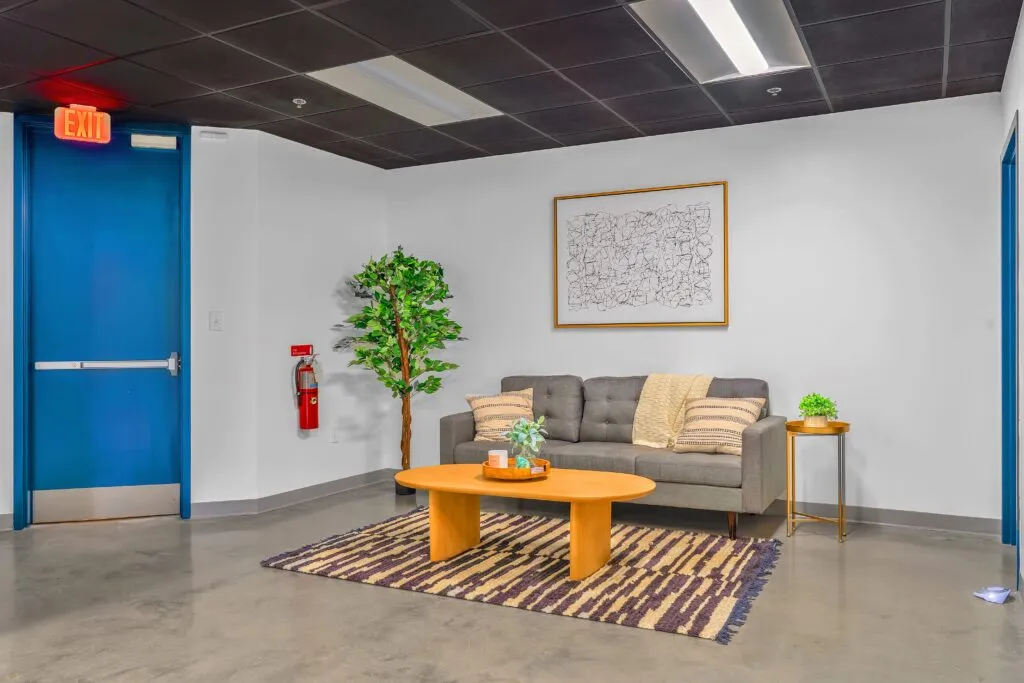
Experience the luxury at our addiction treatment and mental health facility located in Atlanta, GA. Get an inside look at where we offer various outpatient mental health programs. 

From counseling sessions to group therapy and specialized treatment programs, our facility provides a safe and welcoming environment where individuals can find the support they need.

Post-Traumatic Growth Clinical Model

At Valor Behavioral Health, we use a post-traumatic growth model in our approach to treating substance abuse and mental health in Atlanta. This model recognizes that individuals can experience personal growth and positive change as a result of overcoming traumatic experiences, including addiction. 

Our behavioral health programs in Atlanta focus on helping individuals identify areas of strength and resilience, and we work with them to develop a plan for growth and recovery.

Immersive Treatment Programs

Our Partial Hospitalization Program is our highest level of outpatient care, offering a full day-treatment program.

IOP, or Intensive Outpatient Programming is an outpatient level of care that allows clients to attend school or work while still receiving treatment.

Our evening IOP program is a transformative option for those looking for outpatient treatment without the need to take a leave of absence from work.

Our supportive and nurturing environment, ensures that each adolescent receives the personalized care they need to thrive.

Our Partial Hospitalization Program is our highest level of outpatient care, offering a full day-treatment program.

IOP, or Intensive Outpatient Programming is an outpatient level of care that allows clients to attend school or work while still receiving treatment.

Our evening IOP program is a transformative option for those looking for outpatient treatment without the need to take a leave of absence from work.

Our supportive and nurturing environment, ensures that each adolescent receives the personalized care they need to thrive.

The Valor Behavioral Health Difference

Post-Traumatic Growth Model

Post-Traumatic Growth (PTG) refers to positive psychological change experienced as a result of the struggle with highly challenging life circumstances, such as trauma.

Dedicated Experts

Our Master’s Level Clinicians understand what you’re going through and have been treating mental health disorders for years. 

Collaborative Care

We collaborate with our community, employees, and clients to improve the caliber and effectiveness of our programs.

Mental Health Experts

Our mental health experts are here to provide compassionate, evidence-based treatment for addiction and co-occurring mental health disorders. Our diverse team includes licensed therapists, medical professionals, psychiatric specialists, case managers, group facilitators, and additional clinical staff to ensure all your treatment needs are met. Learn more about our team today.

ryan-img-225x300
Co-Founder and Chief Executive Officer
Greg Holden, LMFT - Chief Operations Officer

 Chief Operations Officer

Frequently Asked Questions (FAQs)

If the following signs and symptoms describe your experience, then you might need mental health treatment:

  • Persistent feelings of sadness, worry, or guilt
  • Overwhelming anxiety or fears that limit your life in significant ways
  • Irritability or outbursts of anger
  • Difficulty controlling emotions
  • Low mood and energy
  • Extreme shifts in mood from low (depressive) to high (manic)
  • Physical pain without any medical explanation
  • Frequent tension headaches due to stress
  • Weight loss or gain without intention
  • Sleeping too much or too little
  • Isolating from loved ones and friends
  • Loss of interest in hobbies or other pleasurable activities
  • Trouble concentrating or focusing
  • Suicidal ideations or actions
  • Engaging in self-harming behaviors
  • Abusing drugs or alcohol to improve your mental state or manage stress

The following are signs that you need addiction treatment:

  • Using more substances than you intend to (in other words, losing control or struggling to put limits on yourself)
  • Failing at any attempt to quit or cut back on using drugs or drinking alcohol
  • Spending most of your time and energy abusing substances, obtaining them, or recovering from the aftereffects
  • Abusing substances to cope with stress, social anxiety, poor self-esteem, trauma, or other emotional health issues
  • Misusing prescription drugs for euphoric or relaxing side effects (such as opioid painkillers or benzodiazepines for anxiety)
  • Mixing prescriptions drugs with alcohol or other drugs to enhance the effects
  • Urges and cravings for drugs and alcohol that occupy much of your waking thoughts
  • Failure to fulfill responsibilities to family, work, or school due to substance abuse
  • Choosing to drink or abuse drugs instead of engaging in hobbies or other activities
  • Conflicts in relationships due to substance abuse
  • Experiencing negative legal, social, vocational, financial, or psychological effects from substance abuse and still being unable to quit
  • Engaging in reckless behavior while under the influence
  • Needing more substances or stronger doses for the same effect (developing a tolerance)
  • Having unpleasant withdrawal symptoms when you stop abusing drugs or alcohol 

Each person has different needs for treatment due to their past experience with treatment, the severity of their symptoms, the presence of co-occurring disorders, and other factors. In addition, each person has different treatment preferences and responds to treatment interventions differently. That is why we offer comprehensive treatment programs to help our clients build individualized plans that work best for them.

However, there are a few things to consider when looking for a treatment program to ensure that they can meet your needs at an appropriate level of care:

  • Inpatient stabilization services: These programs provide the highest level of care to those who need to detox from substances or stabilize their mental health during a crisis.
  • Residential treatment centers: This is another type of inpatient treatment that is long-term when compared to stabilization services. During residential treatment, you gain a foundation of recovery skills without distractions from the outside world.
  • Outpatient treatment programs: Outpatient treatment is for those living at home or in a therapeutic housing environment with relatively stable symptom management. This type of treatment includes stepping down from higher levels of care to lower ones, starting with a partial hospitalization program (PHP), then to an intensive outpatient program (IOP), and finally to aftercare services.

Relapse is common during recovery from any medical, behavioral, or psychological condition. In fact, it’s often part of the process of learning what works and what doesn’t. In addition, as you change over time or experience new challenges in life, some treatment techniques or coping mechanisms wane in their effectiveness.

If you relapse during treatment, the best thing to do is to take a step back in your treatment. This means you go back to a higher level of care or get additional support. Thus, if you relapse during an IOP program, you might enter residential treatment or detox, or find a supportive housing program for more structure and accountability.

Yes, you can have your phone during treatment at Valor Behavioral Health. Generally, inpatient or residential treatment programs have strict phone policies due to the intensive level of support in these facilities. Since we are an outpatient treatment center, we still allow our clients to have their phones with them during treatment. 

However, we do have a policy that phones cannot be used during group sessions. That way, everyone can participate and focus with limited distractions.

Yes, health insurance covers some, most, or all of the costs of treatment. Under the Affordable Care Act (ACA), mental health and addiction treatment are considered essential health benefits. So, even if you don’t have an ACA marketplace plan, many private insurance companies also cover mental health and substance abuse treatment as essential.

Of course, exactly what your insurance provider covers and how much depends on your provider, individual plan, and what types of treatment they cover. Most plans cover evidence-based treatments and those deemed medically necessary. However, they might not cover holistic approaches to treatment, such as meditation or other mindfulness-based activities.

We are in-network with most of the popular insurance carriers, including:

Contact Us
Begin Healing Today

What are you or loved one struggling with?(Required)

Recovery Through Knowledge
News & Articles