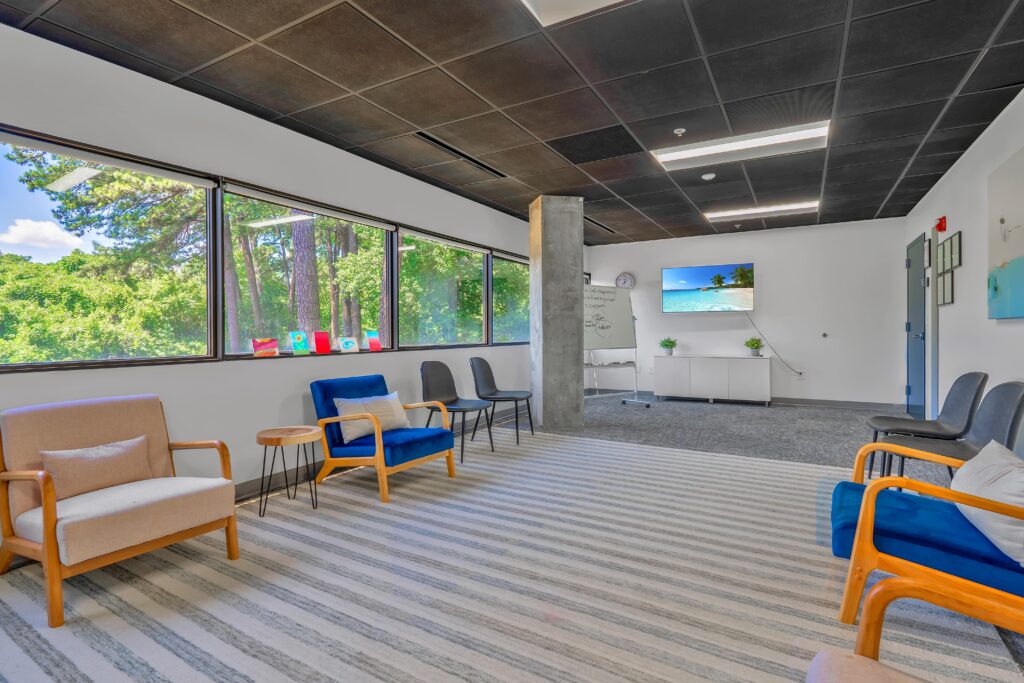


Valor Behavioral Health is a dedicated outpatient treatment program for individuals struggling with alcohol and substance abuse in Atlanta, GA. Our focus on holistic recovery helps our clients achieve long-term sobriety and happiness in their lives.
Deciding to seek treatment for addiction is one of the bravest choices a person can make, but it can also bring up practical worries, especially around job security. Many people hesitate to enter rehab out of fear that they may lose their income, their health insurance, or their employment status.
The truth is, you’re not alone, and there are legal protections in place to help. One of the most important tools available is the Family and Medical Leave Act (FMLA), which offers job-protected leave for those seeking medical care, including substance use treatment. Understanding how FMLA for rehab works can empower you to take the step you need toward long-term recovery while safeguarding your livelihood.
At Valor Behavioral Health, we help individuals and families navigate every part of the recovery process, including the logistical and emotional stress that can come with stepping away from work. Our reputable, accredited recovery program in Atlanta, Georgia works closely with those covered by FMLA, ensuring they understand how to navigate a break from employment while they seek professional care.
Contact Valor Behavioral Health to learn more about our addiction treatment in Atlanta.
The Family and Medical Leave Act is a federal law that allows eligible employees to take up to 12 weeks of unpaid, job-protected leave each year for qualifying medical and family reasons. It also ensures that workers maintain the same group health insurance during their leave.
FMLA was created to give employees time to address major health needs without the fear of losing employment. Many people are surprised to learn that substance use disorder is legally recognized as a medical condition, and treatment for it meets the criteria for FMLA protections.
Under FMLA, eligible employees can take leave for:
FMLA provides up to 12 weeks of leave within a 12-month period, but it does not have to be used all at once. Depending on your treatment plan and your employer’s policies, leave may be taken intermittently or as a continuous block.
To be eligible for FMLA leave, you must:
Your job is protected during this time, which means you must be reinstated to the same or a similar position with the same pay and benefits once you return. Understanding the steps involved can make the process smoother and less stressful as you prepare for treatment.
The process typically includes:
Yes. You can legally use FMLA for rehab, whether the treatment is for alcohol use disorder, drug addiction, or related mental health concerns. Substance use disorder is recognized as a serious health condition under federal law, meaning both inpatient and outpatient treatment programs qualify.
Examples of rehab-related services that fall under FMLA protection include:
However, FMLA cannot be used if an employer is disciplining an employee for substance use that violates company policy. It only applies when the employee is actively seeking treatment.
At Valor Behavioral Health, we help individuals understand their rights and navigate the documentation needed to ensure their leave is protected.
Talking to your employer about taking leave for rehab can feel intimidating. Many people fear judgment, retaliation, or being treated differently at work. But remember: your employer is legally prohibited from discriminating against you for seeking medical care, including addiction treatment. Approaching the conversation with honesty and confidence sets the stage for smoother communication throughout your medical leave.
Here are helpful steps for the conversation:
To approve FMLA leave, employers typically require a medical certification form completed by a healthcare provider. This documentation confirms that treatment is necessary and outlines expected duration without revealing sensitive details. Valor Behavioral Health can assist in completing any necessary paperwork, ensuring the information is accurate, timely, and compliant with employer requirements.
Documentation may include:
One of the core benefits of FMLA is job protection. As long as you follow appropriate guidelines, your employer must maintain the same or an equivalent position when you return.
Job security while using FMLA for rehab includes:
It’s important to comply with your employer’s call-in procedures and remain in communication about your expected return date. Clear communication helps maintain trust and avoids unnecessary complications.
Employers must adhere to federal FMLA regulations, which include:
Employers also cannot require employees to perform work during approved FMLA leave. This time is protected specifically for your health and recovery.
Transitioning back to work after treatment can bring up a mix of emotions—relief, uncertainty, and hope. A thoughtful return-to-work plan can make the process smoother.
You may expect:
Successful recovery often includes ongoing therapy, support groups, or medication-assisted treatment. Employers must accommodate follow-up appointments when they fall under FMLA or protections from the Americans with Disabilities Act (ADA). At Valor, we help clients develop long-term recovery plans that make returning to work both sustainable and empowering.
Confidentiality is one of the strongest protections within FMLA. Your employer must keep all medical information private and cannot disclose your reason for leave to supervisors or coworkers.
Under confidentiality protections:
If you’re considering treatment but worried about taking time away from work, Valor Behavioral Health is here to help. Our team provides confidential guidance on using FMLA for rehab, completing documentation, and choosing a treatment plan that supports your long-term recovery.
You don’t have to choose between your health and your job. Contact us today to learn more about our Atlanta drug and alcohol rehab, or verify your insurance.

Valor Behavioral Health is an innovative outpatient mental health treatment facility serving the Greater Atlanta region.